Are you curious about the history of Phở? Beyond being a delicious noodle soup, the Phở story is a fascinating tale of cultural fusion, resilience, and the soul of Vietnam. From the street corners of Hanoi to the vibrant food scene in London, let’s explore how this dish became a global icon.
1 The Origins: Where Did the Phở Story Begin?
The history of Phở is relatively young compared to other ancient Vietnamese staples. It originated in Northern Vietnam – specifically in Nam Định Province during the late 19th and early 20th centuries.
A Fusion of French and Vietnamese Cultures
Historians widely believe that Phở is a beautiful adaptation of French colonial influence and traditional Vietnamese flavors:
- The Name “Phở”: Most believe it derives from the French word “feu” (fire), linked to the classic beef stew Pot-au-feu.
- The Beef Revolution: Before the French arrived, cows were labor animals. The colonial demand for beef created a surplus of bones, which local street vendors creatively turned into a nutrient-rich broth.
- Technique meets Tradition: The iconic charred ginger and onions used in the broth are techniques mirrored from French culinary arts, while the rice noodles and spices remain purely Eastern.
2 How Old is Phở? Uncovering the Century-Old Secrets of Vietnam’s National Dish
While Vietnam boasts a history spanning over 3,500 years, Phở is a relatively modern masterpiece. Most culinary historians agree that the “magical moment” of its creation occurred at the dawn of the 20th century in the vibrant streets of Northern Vietnam.
The Early Evidence: 1908-1910
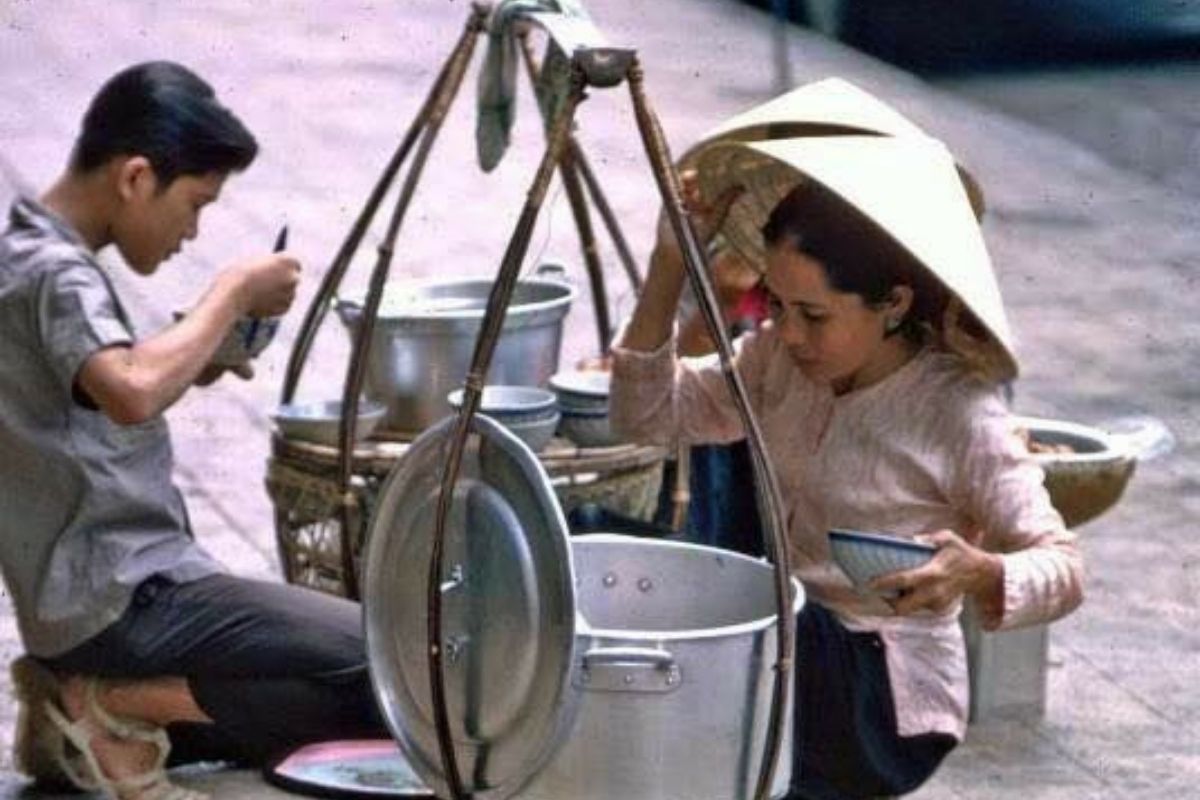
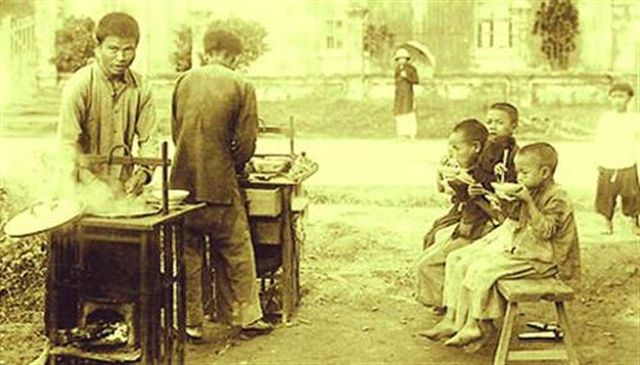
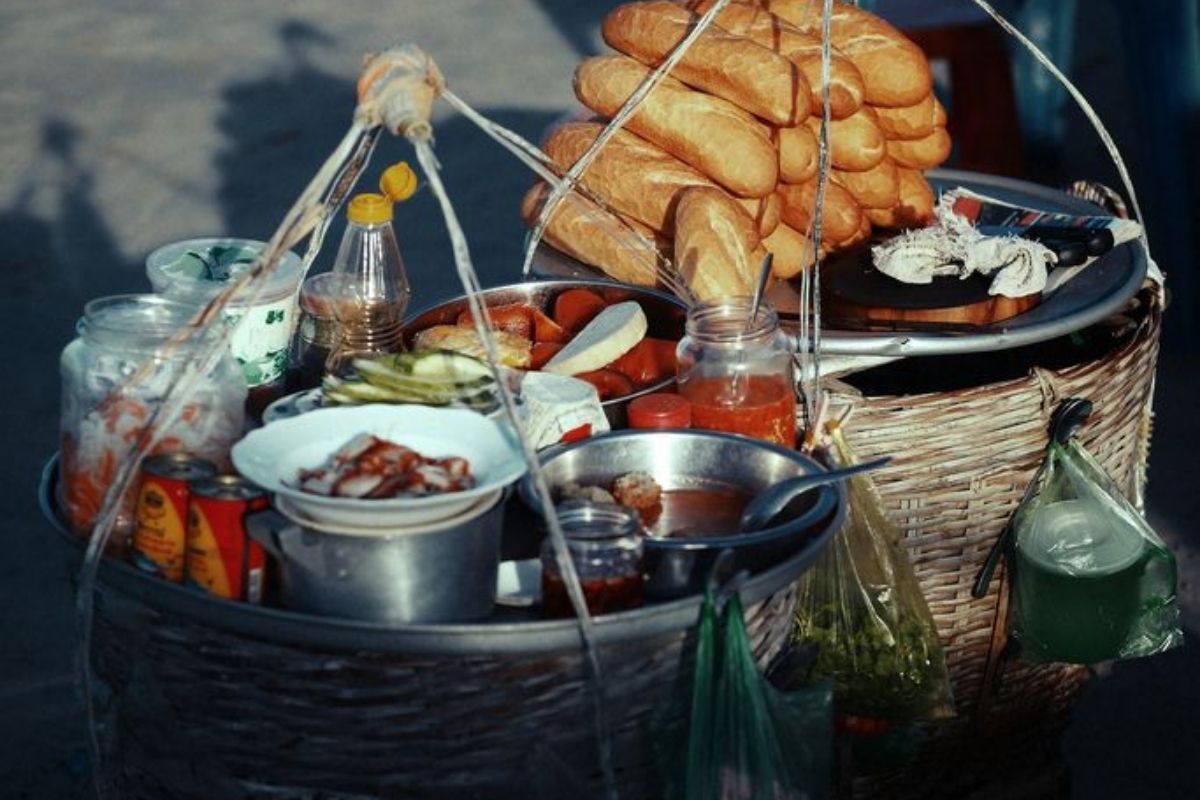
The earliest visual records of Phở date back to around 1910. Henri J. Oger, a French colonial administrator, commissioned local artisans to document daily life in Hanoi. Among the wood carvings in his famous work, Technique du Peuple Annamite, lies an unmistakable image of a Phở street vendor –the Phở gánh – carrying a portable kitchen on a shoulder pole.
The Mystery of Its Birth: From Poverty to Perfection
Where did the first bowl come from? The history of Phở is a beautiful puzzle with pieces from different cultures “rubbing shoulders.”
-
The Village of Masters: Many believe Phở was being prepared long before it became famous in Vân Cù, a small village in Nam Định Province. This area produced generations of Phở masters who eventually migrated to Hanoi to open the city’s most prestigious shops.
-
A Culinary Fusion: The early 1900s saw a unique interaction between Vietnamese, French, and Chinese cultures. The French brought a demand for beef; the Chinese brought a love for noodles; and the Vietnamese brought the soul of the broth.
-
From Buffalo to Beef: Before Phở, a soup called xáo trâu (made with water buffalo and rice vermicelli) was popular. As beef became more available, vendors swapped buffalo for beef and traded thin vermicelli for the flat rice noodles we now call bánh phở.
Etymology: Why Do We Call It “Phở”?
The debate over the name is as rich as the broth itself. Some suggest it evolved from the Cantonese term ngưu nhục phấn (beef with rice noodles), which was eventually shortened to just “phở.”
Others point to a French connection. The technique of charring ginger and onions for the broth closely mirrors the preparation of the French beef stew, Pot-au-feu (meaning “pot on the fire”). While Phở is distinctly Vietnamese, it is a “genius make-do” dish born from a unique set of colonial circumstances.
Evolution and Resilience: More Than Just a Meal
As time went on, Phở became a vessel for innovation and even political expression:
-
The 1930s: Cooks began experimenting with rare beef slices and even stir-fried versions (phở xào).
-
The Birth of Chicken Phở (1939): When the government restricted the sale of beef on certain days to preserve labor animals, Phở gà was born. Though purists initially resisted, it soon became a beloved classic.
-
A Symbol of Identity: During the 1930s, poets used Phở as a symbol of Vietnamese pride and resistance against occupation.
-
The Great Migration (1954): Following the Geneva Accords, nearly a million Northerners moved to the South, bringing Hanoi-style Phở to Saigon. This migration created the two distinct styles we know today.
2 From Street Food to a National Symbol
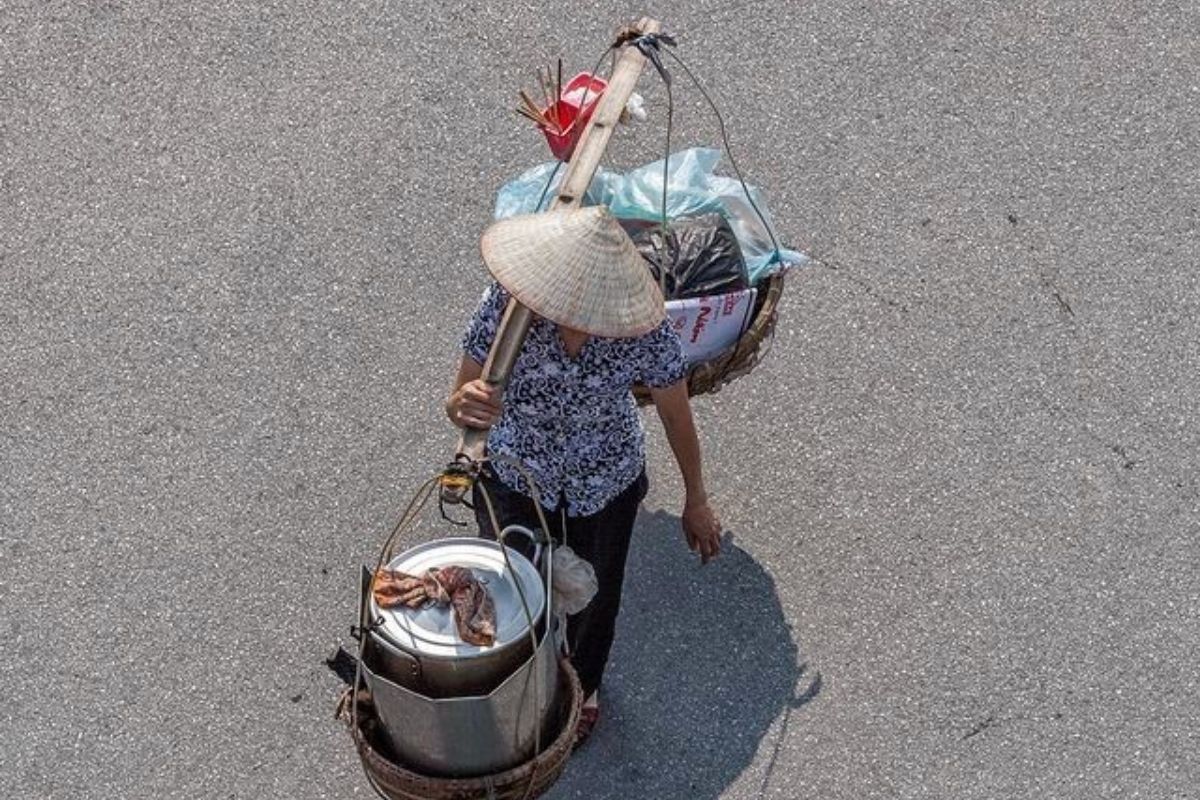
The Phở story is rooted in the “Phở Gánh”-traveling street vendors who carried their entire kitchen on a shoulder pole. In 1930, “Phở” officially entered the Vietnamese dictionary, and by 2007, it was recognized globally in the Oxford English Dictionary.
The North vs. South Evolution: A Tale of Two Bowls
As Phở migrated from the cool, refined atmosphere of the North to the agriculturally rich and “freewheeling” landscapes of the South, it underwent a dramatic transformation. This evolution sparked a regional rivalry that remains one of the most debated topics in Vietnamese cuisine.
-
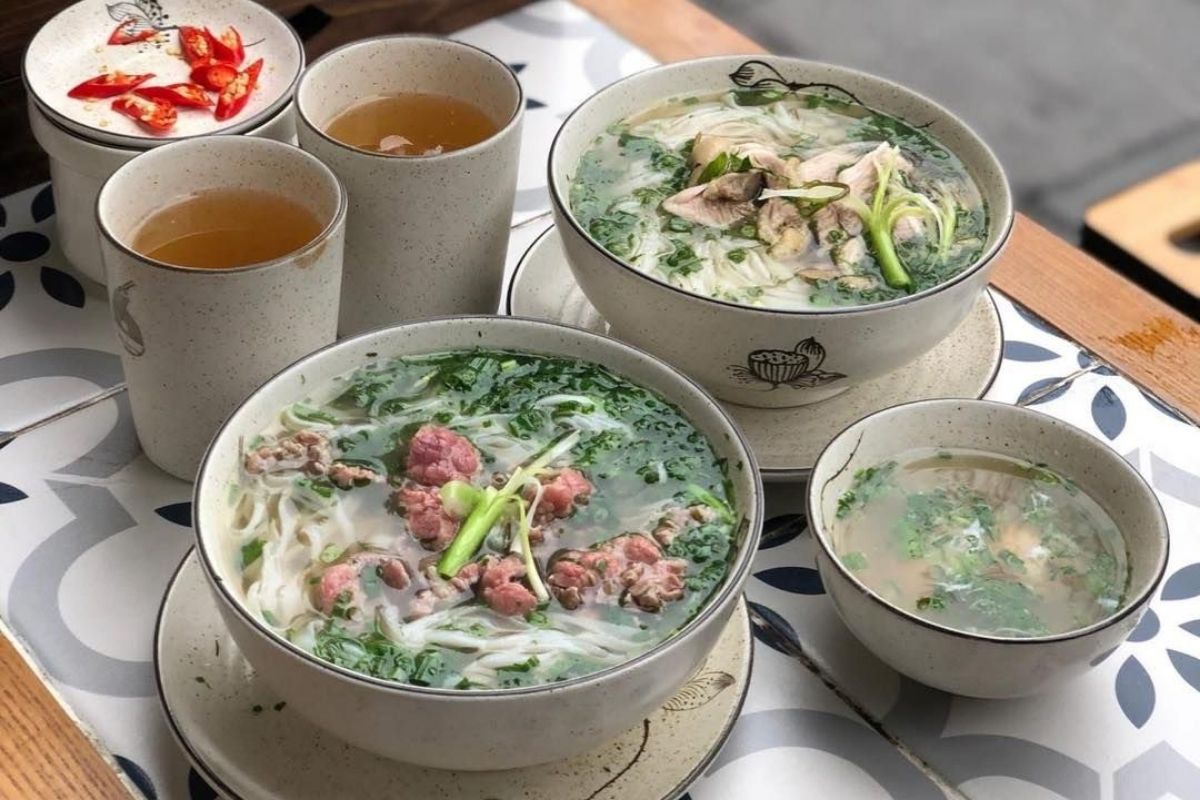
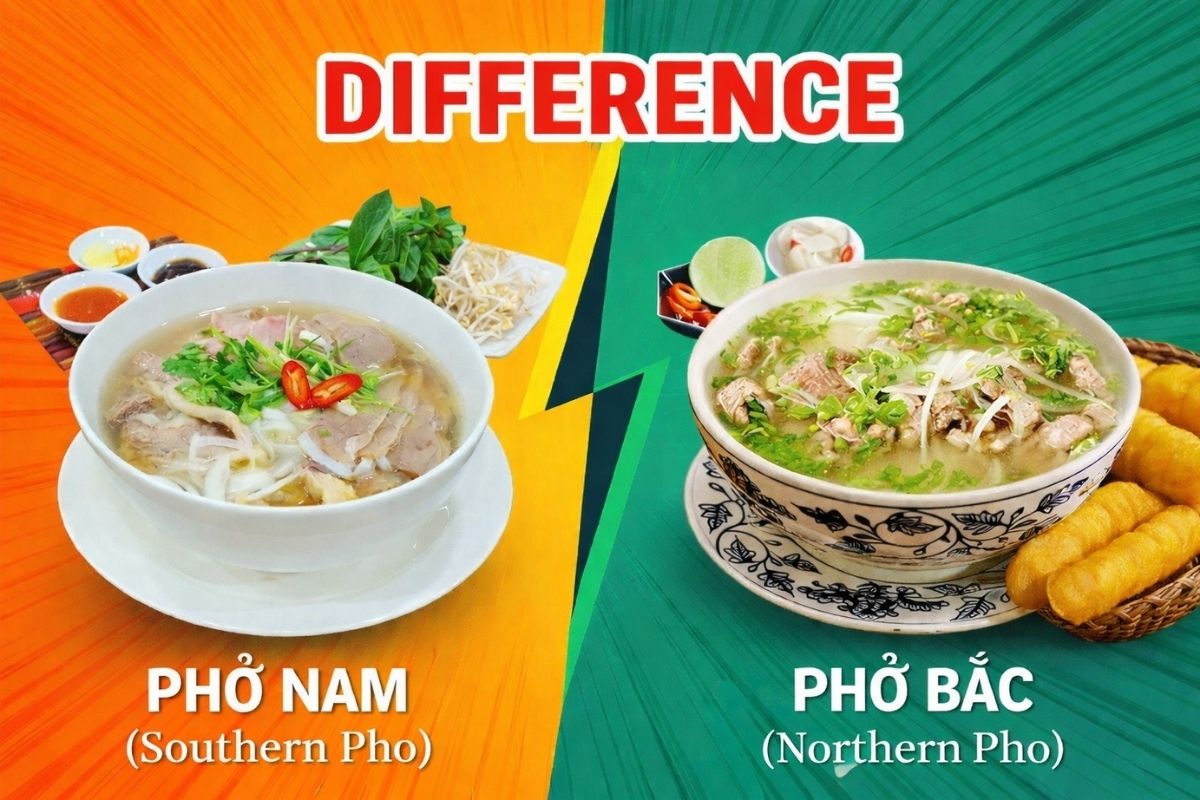
The Southern Spirit (Phở Nam): In the South, Phở embraced abundance. Cooks began adding a touch of Chinese rock sugar to the broth, creating a characteristic sweet edge. The bowl became an eclectic canvas, served with a “forest” of accessories: crunchy bean sprouts, fragrant Thai basil, fresh saw-tooth herb, and a duo of dipping sauces—spicy chili and a rich, hoisin-like fermented bean sauce.
-
The Northern Purists (Phở Bắc): To the Northerners, these additions were almost “sacrilegious.” A true Hanoi-style Phở focuses on the purity and clarity of the broth—a delicate balance where the savory essence of the beef is the undisputed star. Here, the only acceptable trimmings are a squeeze of lime, a few slices of fresh chili, or a side of pickled garlic.
The “Phở Fight” Continues: To this day, the regional debate-North versus South, salty versus sweet, minimalist versus eclectic-rages on. While Southern Phở is bold and adventurous, Northern Phở is a lesson in restraint and elegance.
The Phở Story: From the Streets of Saigon to the Heart of London
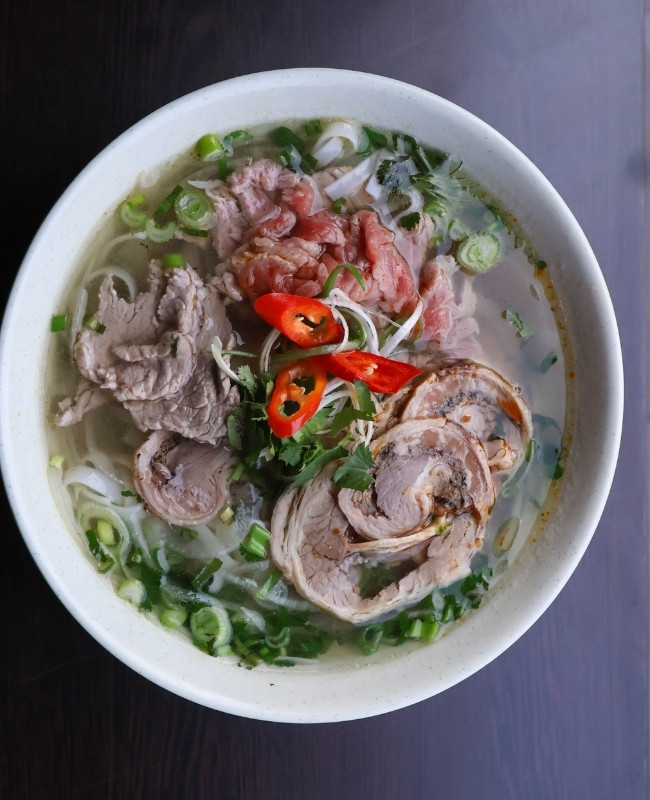
Phở is more than just a dish; it is a bowl that carries history, memory, and home. While its origins began in the North, the history of Phở took a vibrant turn as it traveled South, evolving into the bold, herb-rich, and customizable soul food we love today. At Nem & Nom, we are proud to bring this authentic Southern-style experience to the London food scene.
Where to Experience Authentic Southern-style Phở in London
While London’s “Phở Mile” on Kingsland Road is a famous starting point for many, those seeking a truly authentic, Saigon-style experience look no further than Nem & Nom.
In the agriculturally rich and freewheeling South of Vietnam, Phở developed a distinct personality. At Nem & Nom, we capture that “Southern edge”-where the broth carries a subtle, natural sweetness from slow-simmered bones and a touch of rock sugar, served with the essential “forest” of fresh herbs, bean sprouts, and savory sauces.
Nem & Nom: Bringing the Phở Story to London
Today, the Phở story continues its journey globally. Since 2015, Nem & Nom has honored this century-long history by serving Phở that stays true to its Southern roots while adapting to the modern, health-conscious lifestyle of Londoners.
The Art of the Perfect Bowl
We believe that Phở is an intricate balance between the bánh phở (flat rice noodles) and the depth of the broth. Our recipe draws inspiration from traditional techniques:
-
Slow-Simmered Excellence: Our broth is cooked for hours to extract maximum flavor.
-
Charred Aromatics: We use charred ginger and onions to create that signature smoky aroma.
-
Clean & Bloat-Free: We prioritize “gut-health” by using fresh, natural ingredients, staying true to the Vietnamese philosophy of medicinal and balanced cooking.
Our Locations: Sharing the Soul of Vietnam
We invite you to visit us at our two dedicated locations, each offering a unique atmosphere but the same commitment to tradition and “aesthetic” storytelling:
-
Nom Nom (Hoxton): Located at 134F-G Kingsland Rd, London E2 8DY. Nestled in the heart of the legendary “Phở Mile,” Nom Nom brings the vibrant energy and bold Southern flavors right to the edge of the City.
-
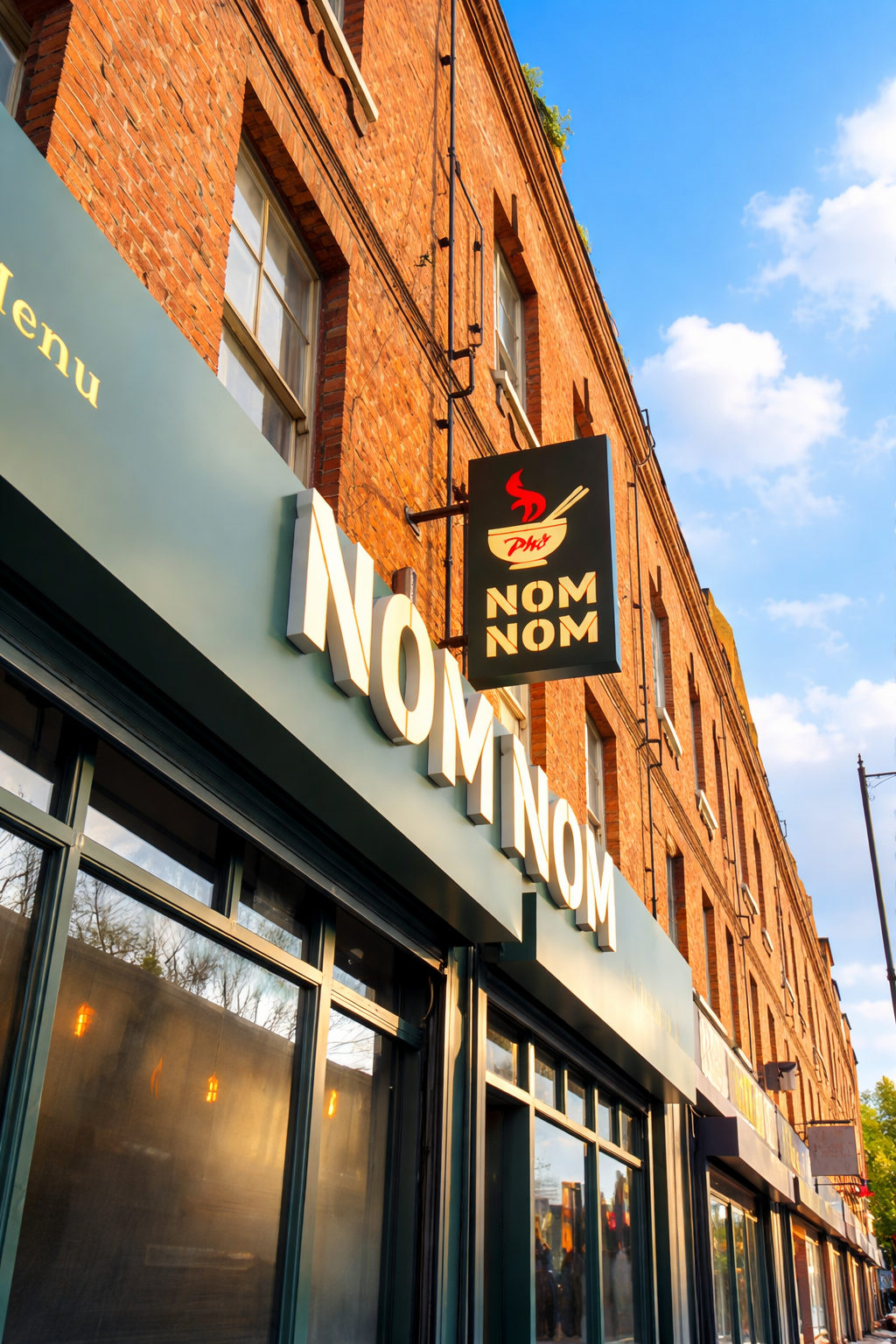
Nom Nom (Hoxton) Nem Nem (Islington): Located at 279 Upper Street, London N1 2TZ. A cozy, aesthetic sanctuary perfect for intimate dinners and traditional lovers in North London.
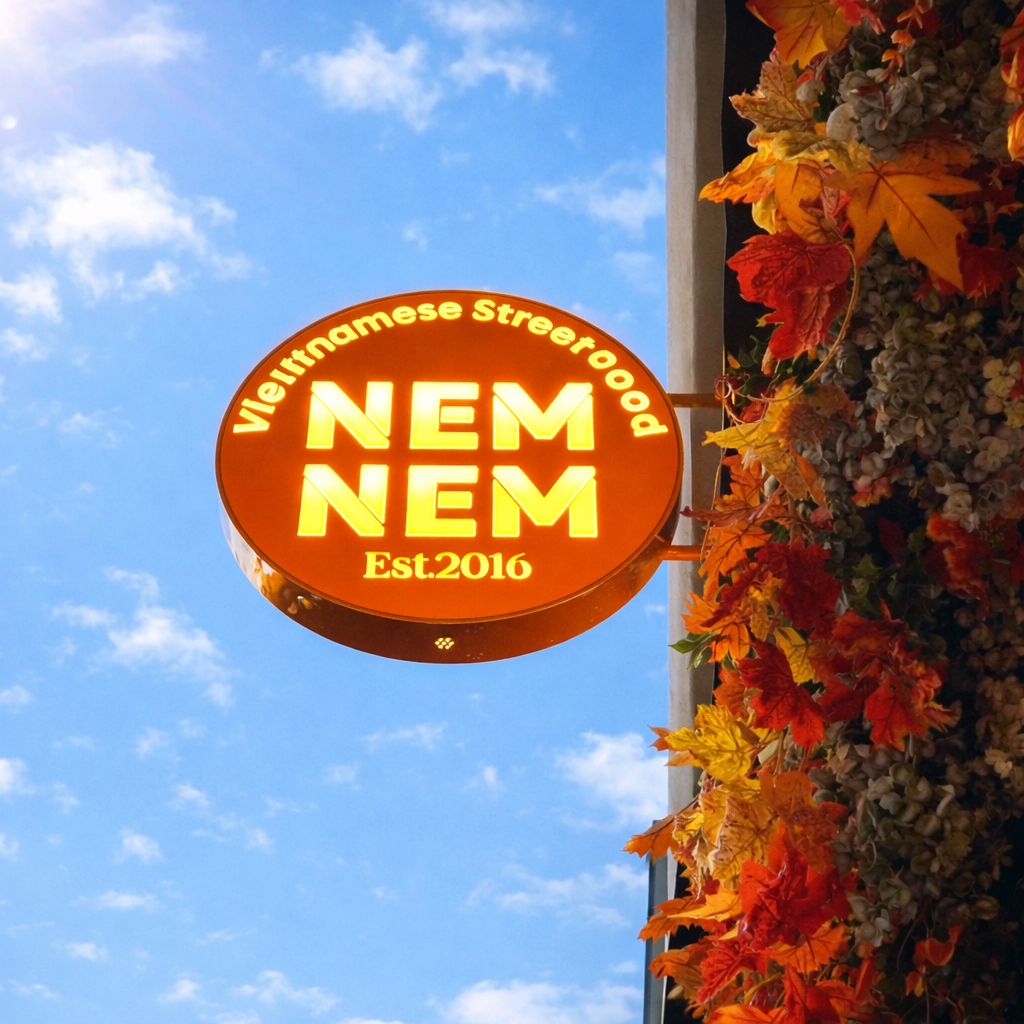
Nem Nem (Islington):279 Upper Street, London N1 2TZ
A Bowl for Everyone: From Beef to Meat-free Phở
The history of Phở is one of adaptation and resilience. In that spirit, Nem & Nom ensures our kitchen is inclusive.
Whether you are a traditional meat lover or looking for a healthy, plant-based/vegan Phở, our broth is prepared with the same passion and secret spices that started over a century ago. Every bowl we serve is a tribute to the genius of Vietnamese cuisine-reimagined for the international community in London.
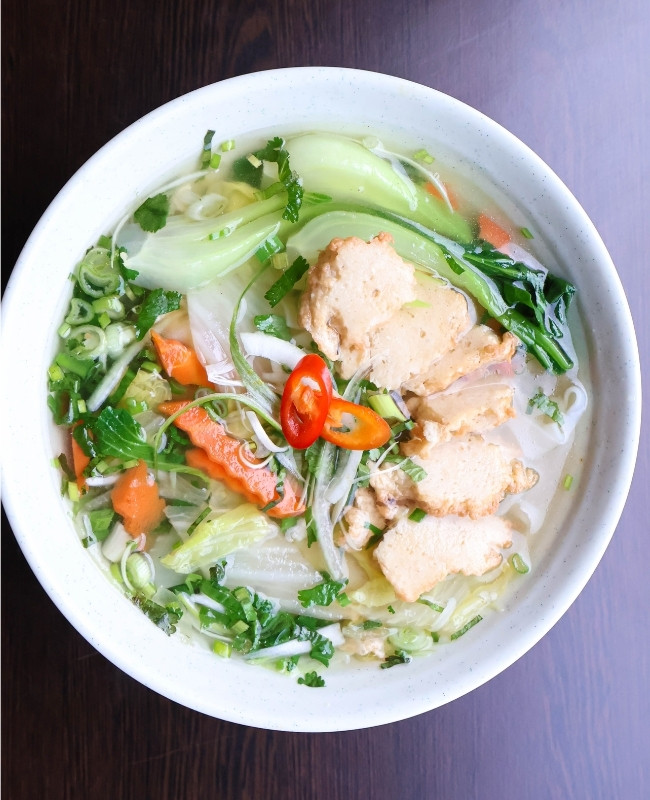
Experience the authentic Southern Phở story today at Nem & Nom. Taste the tradition, feel at home.